তদন্ত পাঠান

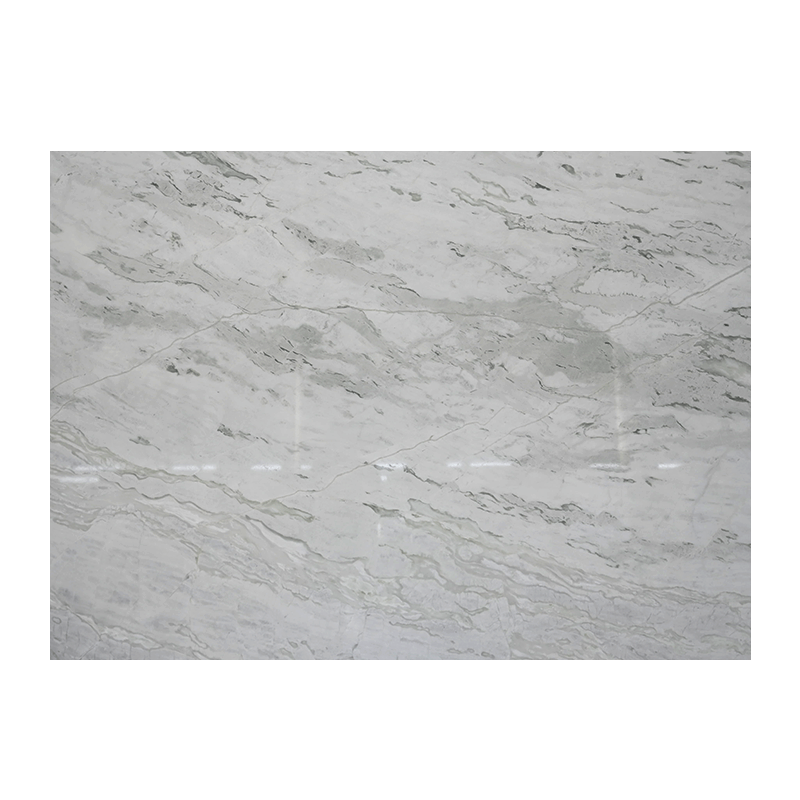
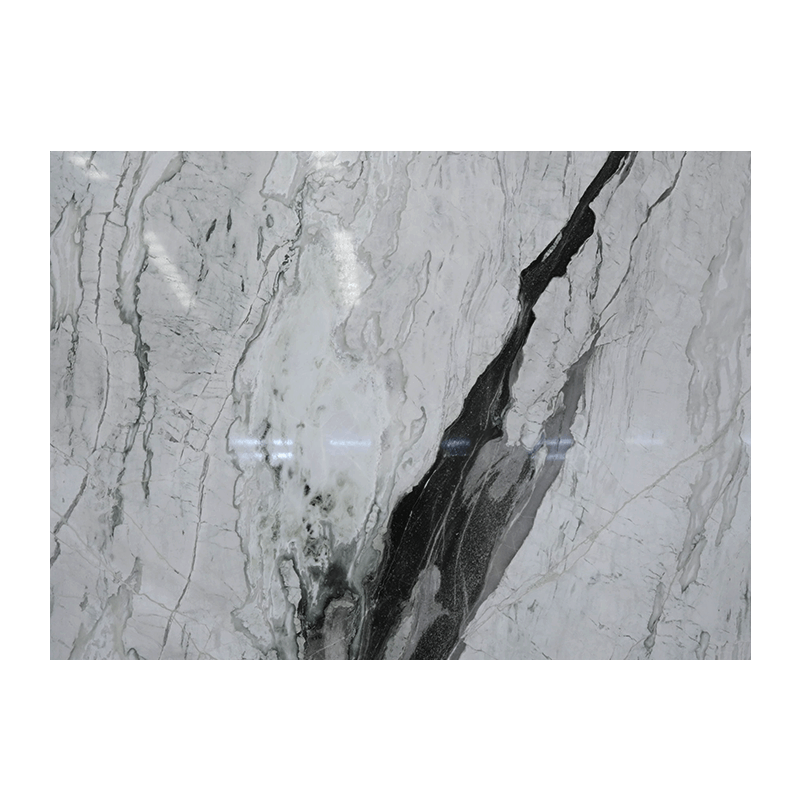
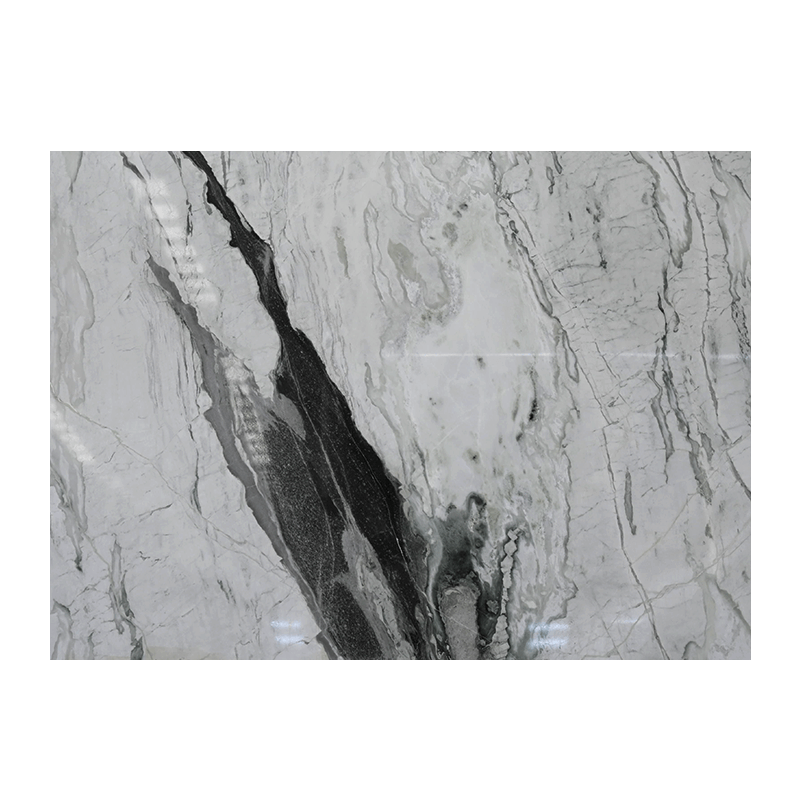
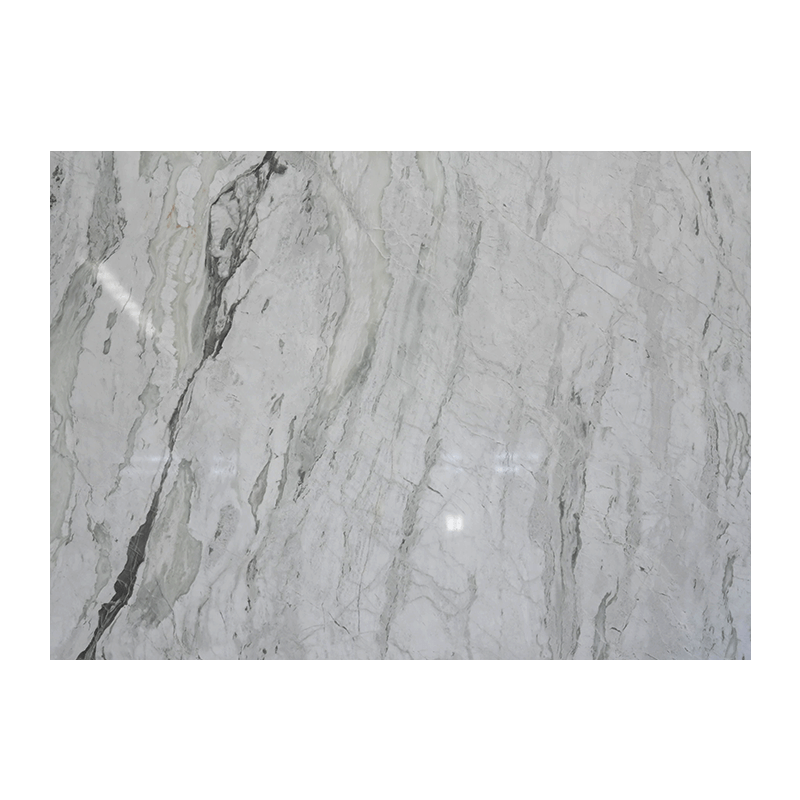
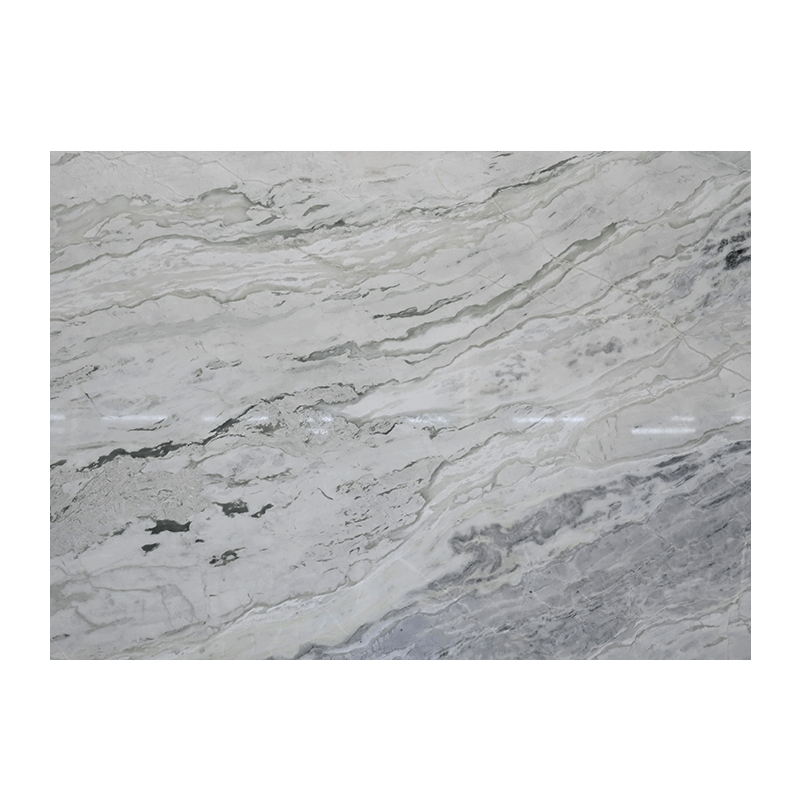
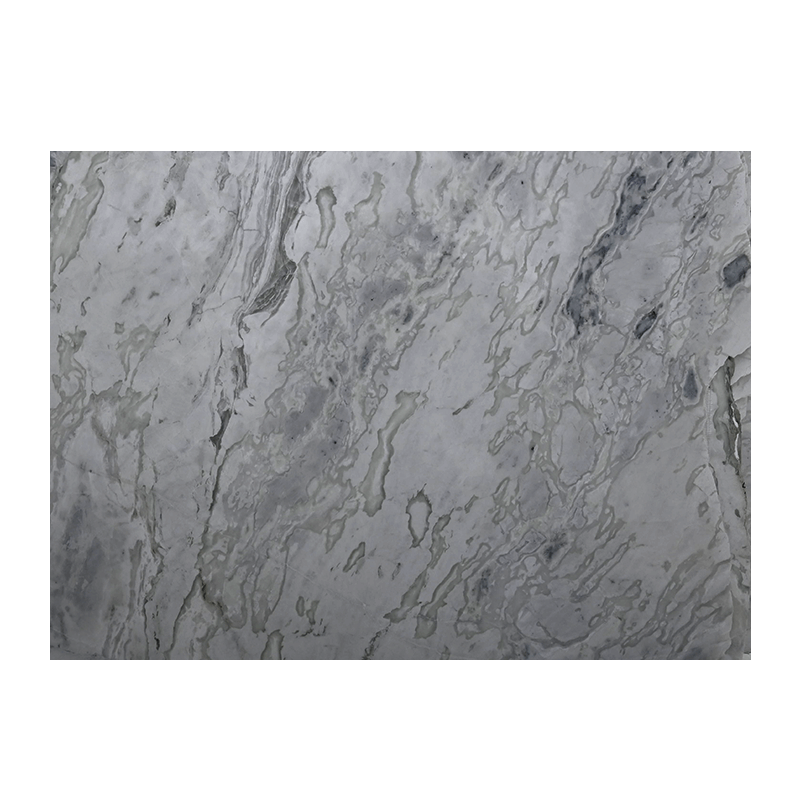
ডিফারেনশিয়াল তাপীয় সম্প্রসারণ - পালিশ মার্বেল টাইলস , সমস্ত প্রাকৃতিক পাথরের মতো, তাপমাত্রার ওঠানামার প্রতিক্রিয়ায় ক্ষুদ্র মাত্রিক পরিবর্তনগুলি অনুভব করে। মার্বেলের তাপীয় প্রসারণের সহগ সাধারণত শক্ত কাঠ, ভিনাইল বা ল্যামিনেটের মতো উপকরণের তুলনায় কম। যখন মার্বেল টাইলগুলি এই উপকরণগুলির সংলগ্ন স্থাপন করা হয়, তখন তাপমাত্রার পরিবর্তনের ফলে অ-মারবেল পৃষ্ঠগুলি মার্বেলের চেয়ে আরও দ্রুত প্রসারিত বা সংকুচিত হতে পারে। উপযুক্ত বাসস্থান ছাড়া, এই পার্থক্য ইন্টারফেসে চাপ সৃষ্টি করতে পারে, যার ফলে মার্বেলে গ্রাউট ক্র্যাকিং, প্রান্ত বিচ্ছেদ বা এমনকি মাইক্রো-ফ্র্যাকচার হতে পারে। এটি প্রশমিত করার জন্য, ডিজাইনাররা প্রায়ই প্রতিটি উপাদানের স্বতন্ত্র চলাচলের অনুমতি দেওয়ার জন্য সম্প্রসারণ জয়েন্ট, নমনীয় আঠালো, বা ট্রানজিশন স্ট্রিপগুলি অন্তর্ভুক্ত করে, যা ইনস্টলেশনের কাঠামোগত অখণ্ডতা এবং নান্দনিক ধারাবাহিকতা উভয়ই সংরক্ষণ করে।
আর্দ্রতা-প্ররোচিত মাত্রিক পরিবর্তন - Materials like wood, engineered boards, or concrete underlayments can expand or contract when exposed to moisture, while Polished Marble Tiles remain relatively dimensionally stable. This discrepancy can create localized stress on marble grout lines or at material interfaces. Proper joint design, including the use of flexible sealants and appropriately sized expansion gaps, is critical to absorb these movements. Additionally, ensuring that substrates and surrounding materials are dry and stable before installation minimizes the risk of long-term movement-induced damage. This consideration is especially important in high-humidity areas such as bathrooms or kitchens, where differential expansion is more pronounced.
সম্প্রসারণ এবং নিয়ন্ত্রণ জয়েন্টগুলি - To accommodate movement and reduce stress, expansion joints are strategically placed at perimeters, along long runs, or at material transitions. These joints are filled with compressible materials or silicone-based sealants that allow marble tiles and adjacent flooring to move independently. Control joints within the marble field distribute stress evenly across large areas, preventing cracking due to thermal or mechanical expansion. Proper planning of joint placement ensures that both functional and aesthetic requirements are met, maintaining the uniformity of the marble surface while allowing safe movement over time.
ট্রানজিশন স্ট্রিপ এবং থ্রেশহোল্ড - When connecting Polished Marble Tiles to dissimilar materials, transition strips or thresholds provide a flexible interface that accommodates differential expansion and contraction. These strips, made of metal, rubber, or complementary materials, absorb dimensional differences and prevent stress concentration at edges. In addition to protecting the tile edges, they enhance safety by reducing trip hazards and provide a clean visual boundary between materials, preserving both performance and aesthetic appeal.
সাবস্ট্রেট এবং আঠালো বিবেচনা - The underlying substrate plays a critical role in managing joint movement and material interaction. Rigid substrates such as concrete provide stable support, reducing differential movement between the marble and surrounding materials. Flexible substrates, such as plywood or composite panels, require high-quality, flexible adhesives that allow slight substrate movement without transferring stress to the marble tiles. Ensuring substrates are properly leveled, cured, and moisture-stable before installation is essential to prevent long-term joint failure, edge chipping, or tile cracking.
ওয়াল ইন্টারফেস এবং পরিধি ফাঁক - When Polished Marble Tiles meet walls or vertical surfaces such as drywall or plaster, differential movement can generate stress at corners and edges. Installing a perimeter expansion gap, later concealed by baseboards or skirting, allows the marble tiles to expand and contract freely without pressing against rigid surfaces. This practice prevents edge chipping, grout cracking, and potential detachment from adhesive bonds, ensuring a clean and durable installation.
রক্ষণাবেক্ষণ এবং পর্যায়ক্রমিক পরিদর্শন - Over time, even properly installed tiles may experience minor movement, and joints may degrade. Regular inspection of expansion joints, grout lines, and transition strips ensures that any early signs of cracking, separation, or material movement are addressed promptly. Timely replacement of sealants and joint materials preserves both the structural integrity and visual appeal of the installation. Maintenance also includes checking for moisture intrusion or substrate shifts that could compromise the marble tiles’ stability.
মিথস্ক্রিয়া বিবেচনার সারাংশ - Polished Marble Tiles interact with other flooring and wall materials through a combination of thermal expansion, moisture-induced dimensional changes, mechanical stress, and substrate variability. Managing these interactions requires: careful joint planning, flexible adhesives, transition strips, perimeter gaps, substrate preparation, and ongoing inspection. By implementing these measures, the marble tiles can maintain structural integrity, aesthetic consistency, and long-term durability, even in environments subject to temperature fluctuations, moisture changes, or mechanical stresses.


কারখানার ঠিকানা: নং 8, পশ্চিম বিনহাই রোড, লাওবাগং (জিয়াওক্সি টাউন), বিনহাই নিউ এরিয়া, হাইয়ান কাউন্টি, নান্টং, জিয়াংসু, চীন


+86-15221350573

+86-571-86632298
কপিরাইট © Jiangsu Pinhe Stone Industry Co., Ltd.